5 Signs Your Child's Tutoring Is Actually Working

You signed up for tutoring because something wasn't clicking. Weeks in, you're watching for progress — but report cards only come out a couple of times a year, and it's hard to know if the sessions are actually moving the needle before then. Here's what real progress tends to look like in the meantime, long before a mark changes.
They start explaining their homework to you (not the other way around)
This is usually the first sign, and it's an easy one to miss because it happens quietly. A student who's actually absorbing the material starts narrating their own thinking — "okay, so first I have to isolate the variable" — instead of staring at the page waiting for you to jump in. If your child starts explaining a concept back to you unprompted, that's not a coincidence. Teaching something back is one of the clearest signs it's actually landed.
Fewer meltdowns on hard nights
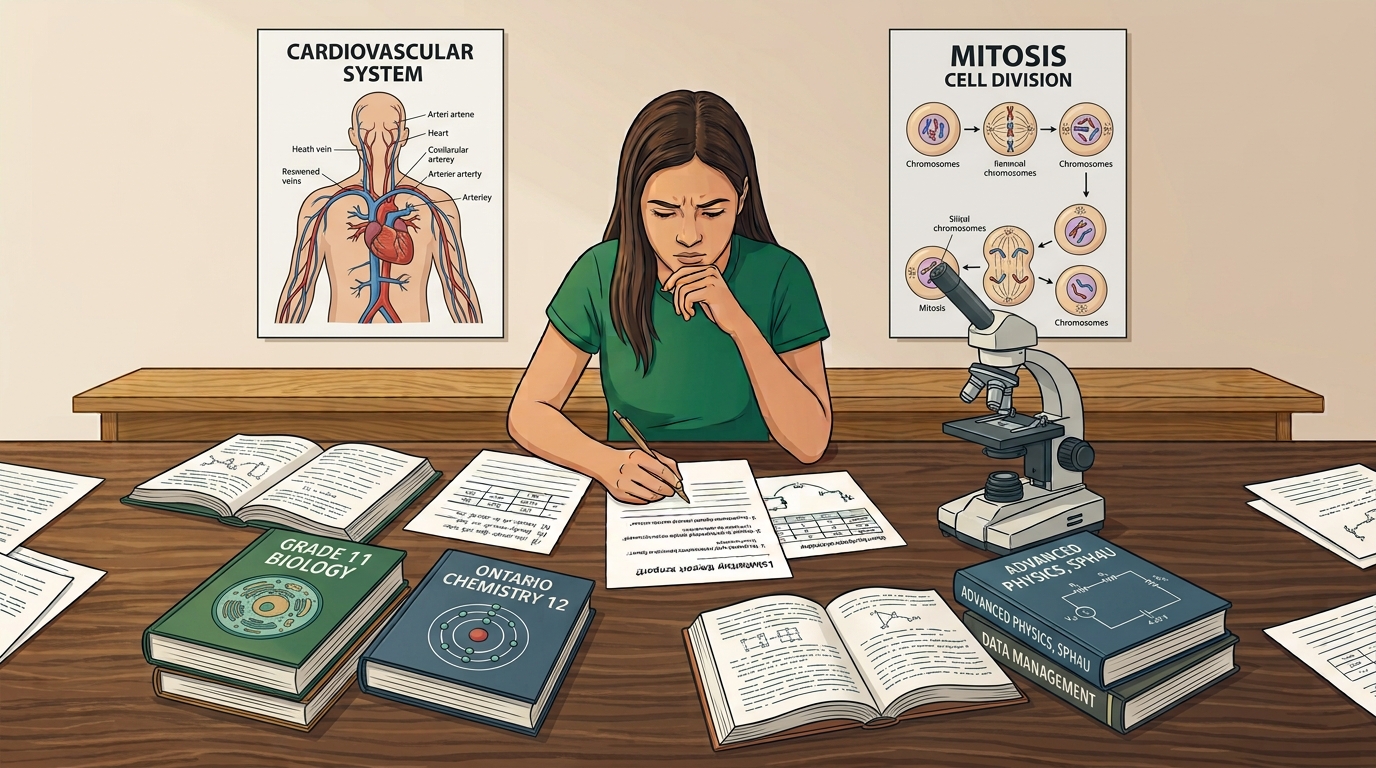
Struggling students don't just get answers wrong — they get overwhelmed. A worksheet that used to trigger tears or a slammed door starts to look, instead, like something that's merely annoying. That shift in emotional temperature, not the mark on the page, is often the earliest real evidence that the gap is closing. Frustration doesn't disappear overnight, but it should get quieter.
They bring questions to sessions, not just answers
Early on, tutoring sessions are often reactive — a tutor walks a student through something they got wrong. As a student catches up, the dynamic flips: they start showing up with a specific question of their own, from something confusing in that week's class. That's a student who's engaged enough with the material to know exactly where they're stuck, which is a much stronger position than not knowing where to start.
Their classwork reflects what they just practiced
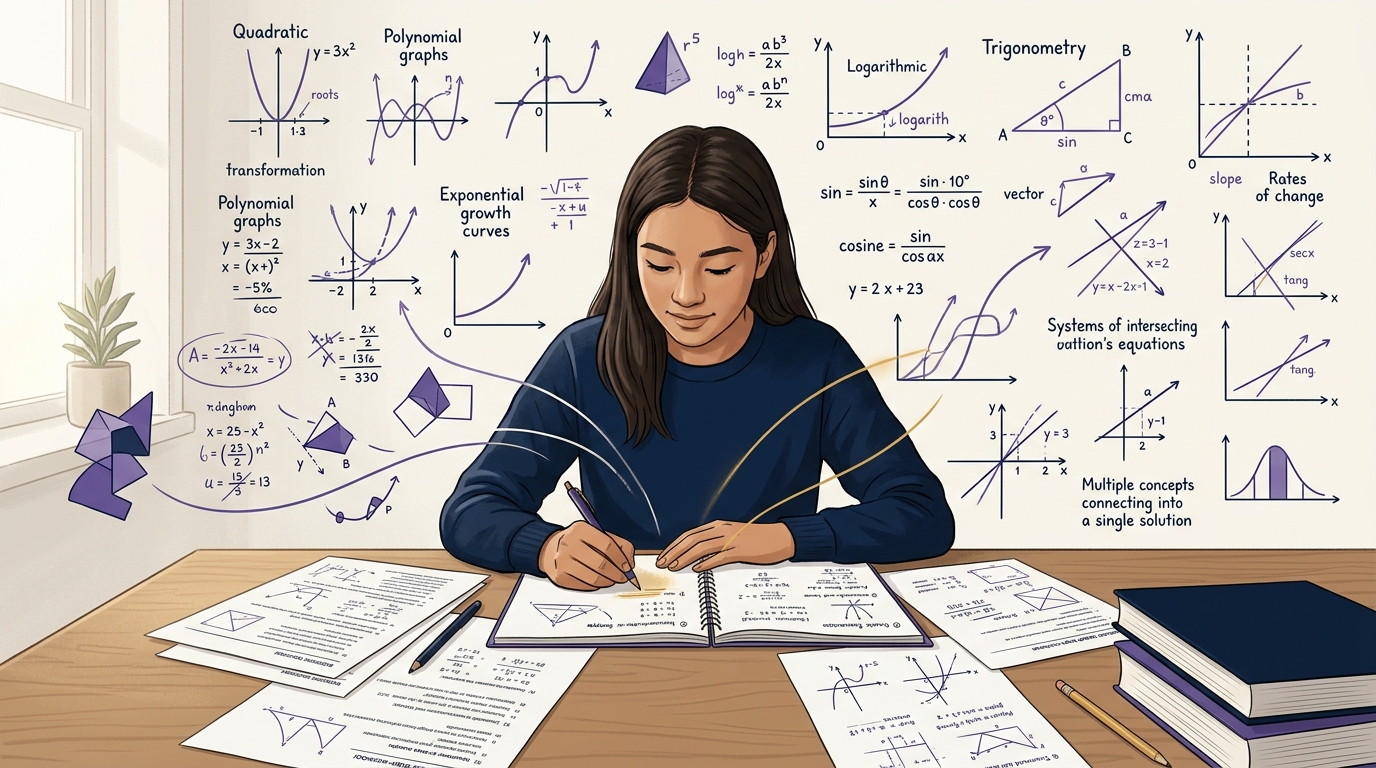
If your child spent last week's session on solving for x in a two-variable system, and this week's homework shows they're actually using that method — not guessing, not skipping the question — that's the transfer you're paying for. Tutoring that isn't showing up in independent classwork within a few weeks is worth flagging to your tutor directly; it may mean the pacing or focus needs to shift.
They stop avoiding the subject
Watch for the negative signal, too: does your child still groan the moment the subject comes up, or find any excuse to do literally anything else first? A student who's rebuilding confidence usually starts procrastinating less on that specific subject, even if it's still not their favourite. Avoidance easing off is often the quietest, most reliable signal of all.
If you're not seeing any of this
None of these signs require a report card to notice, and none of them require your child to suddenly love the subject. If a few weeks have passed and you're not seeing any movement — not even the small stuff — that's worth a conversation with your tutor about whether the pacing, the format, or even the tutor match needs adjusting. Tutoring should feel like it's going somewhere within the first month, not just at the end of the term. If it doesn't, say something — a good program adjusts rather than asking you to wait it out.

Ready to See This Work for Your Child?
Take our 30-second quiz — no commitment, just a quick way to find the right fit.